Knowing When Your Jaw Pain is Serious
Posted on 3/2/2026 by Surprise Oral & Implant Surgery |
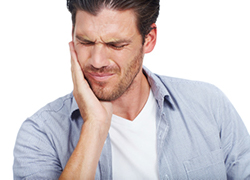 Jaw pain is something many people experience at some point. It can be a minor annoyance that disappears quickly, or it can be a persistent problem that significantly impacts your daily life. Sorting out when your jaw discomfort warrants a visit to a professional is essential for protecting your overall oral care and well-being. Let's explore some key indicators that suggest your jaw pain might be more than just a passing ache. Jaw pain is something many people experience at some point. It can be a minor annoyance that disappears quickly, or it can be a persistent problem that significantly impacts your daily life. Sorting out when your jaw discomfort warrants a visit to a professional is essential for protecting your overall oral care and well-being. Let's explore some key indicators that suggest your jaw pain might be more than just a passing ache.
Understanding the Basics of Jaw Pain
The temporomandibular joint (TMJ) connects your jawbone to your skull. It's like a hinge that allows you to move your jaw up and down and side to side, enabling you to talk, chew, and yawn. Problems with the TMJ, the muscles around it, or both, can lead to a condition commonly called TMJ disorder, or TMD.
Simple things like clenching your teeth, grinding your teeth (especially at night), or even stress can trigger jaw pain. Sometimes, a minor injury to the jaw can also cause temporary discomfort. However, when pain becomes chronic or is accompanied by other symptoms, it’s time to pay closer attention.
Red Flags: When to Seek Professional Help
Persistent Pain: If your jaw pain lasts for more than a few weeks and doesn’t seem to be improving with over-the-counter pain relievers or home remedies, it's a good idea to seek an evaluation. Don't ignore pain that lingers or gets progressively worse.
Limited Jaw Movement: Difficulty opening your mouth wide, or locking of the jaw (either open or closed), is a significant concern. These symptoms can indicate a structural problem within the TMJ itself.
Pain Radiating to Other Areas: Jaw pain that spreads to your face, ear, neck, or even causes headaches can be a sign of a more complex issue involving nerves or muscles surrounding the jaw.
Changes in Your Bite: If you notice a sudden or gradual shift in the way your teeth fit together when you bite down, this could indicate a problem with the alignment of your jaw or the joint itself.
Clicking, Popping, or Grinding Sounds: While occasional clicking or popping in the jaw joint can be normal, frequent or loud sounds, especially when accompanied by pain or limited movement, should be evaluated. Grinding sounds could indicate cartilage damage within the joint.
Dental Issues: Sometimes, jaw pain can be related to underlying dental problems. Issues like tooth infections, impacted teeth, or even the need for restoration dentistry can manifest as pain in the jaw area.
What to Expect During an Examination
When you see a healthcare professional about jaw pain, they will typically conduct a thorough examination. This may include:
| • |
A physical exam to check the range of motion of your jaw, feel for tenderness in the muscles, and listen for sounds in the joint. |
| • |
A review of your medical and dental history to identify any potential contributing factors. |
| • |
Imaging studies, such as X-rays or MRI scans, to visualize the structures of the TMJ and surrounding tissues if needed. |
Managing Jaw Pain: A Multifaceted Approach
Depending on the cause and severity of your jaw pain, management strategies can vary. Often, a combination of approaches is most effective. These might include:
| • |
Self-care techniques like applying heat or ice, practicing relaxation exercises, and avoiding chewing gum or hard foods. |
| • |
Medications to manage pain and inflammation. |
| • |
Physical therapy to improve jaw movement and strengthen supporting muscles. |
| • |
In some cases, more advanced treatments, such as injections or even surgery, may be necessary. |
Remember, addressing jaw pain early can help prevent it from becoming a chronic and debilitating condition. If you are experiencing any of the red flags mentioned above, don't hesitate to seek professional evaluation. Taking care of your jaw health is an important part of your overall health and well-being. |
|