Starting the Conversation When Your Jaw Hurts
Posted on 6/15/2026 by Surprise Oral & Implant Surgery |
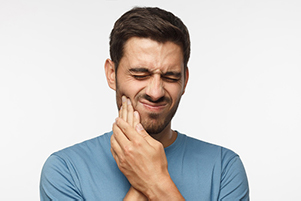 Is your jaw causing you discomfort? You're not alone. Many people experience jaw pain at some point in their lives. It can be a frustrating and sometimes debilitating issue, impacting everything from eating and talking to sleeping and concentrating. Understanding the potential causes and knowing when to seek professional help is the first step toward finding relief. Is your jaw causing you discomfort? You're not alone. Many people experience jaw pain at some point in their lives. It can be a frustrating and sometimes debilitating issue, impacting everything from eating and talking to sleeping and concentrating. Understanding the potential causes and knowing when to seek professional help is the first step toward finding relief.
Understanding Jaw Pain
The term "jaw pain" can encompass a wide range of sensations and underlying issues. It might feel like a dull ache, a sharp stabbing pain, or even a clicking or popping sound when you open and close your mouth. The location of the pain can also vary; it could be centered in the jaw joint itself, radiate into your face or neck, or even manifest as a headache or earache.
Several factors can contribute to jaw pain. One common culprit is temporomandibular joint disorders, often called TMJ or TMD. This refers to a group of conditions affecting the temporomandibular joint, which connects your jawbone to your skull. Problems with the muscles around the jaw can also be the source of the discomfort.
Potential Causes
Identifying the cause of your jaw pain is crucial for effective treatment. Some of the more frequent reasons include:
| • |
Bruxism (Teeth Grinding): Many people grind or clench their teeth, often unconsciously, especially during sleep. This can put excessive stress on the jaw muscles and joint. |
| • |
Arthritis: Just like other joints in your body, the jaw joint can be affected by arthritis, leading to inflammation and pain. |
| • |
Trauma: An injury to the jaw, such as a blow to the face, can damage the joint or surrounding tissues. |
| • |
Dental Problems: Issues like a bad bite (malocclusion), missing teeth, or poorly fitting dentures can contribute to jaw pain. Even a recent restoration, while intended to improve your dental health, can sometimes temporarily affect your bite and cause discomfort. |
| • |
Stress: Stress can manifest physically, and jaw clenching is a common way people unconsciously hold tension. |
| • |
Poor Posture: Believe it or not, your posture can affect your jaw alignment and contribute to pain. |
When to Seek Help
While some mild jaw discomfort might resolve on its own, it's important to seek professional evaluation if:
| • |
The pain is severe or persistent. |
| • |
You have difficulty opening or closing your mouth. |
| • |
You experience clicking, popping, or grating sounds in the jaw joint. |
| • |
The pain is accompanied by other symptoms, such as headaches, earaches, or dizziness. |
| • |
The pain is interfering with your daily activities, such as eating, talking, or sleeping. |
Starting the Conversation with Your Doctor
When you consult with a healthcare professional about your jaw pain, be prepared to provide detailed information about your symptoms, including:
| • |
The location and intensity of the pain. |
| • |
When the pain started and how often it occurs. |
| • |
Any factors that seem to trigger or worsen the pain. |
| • |
Any other symptoms you are experiencing. |
| • |
Your medical and dental history. |
This information will help your doctor or dentist make an accurate diagnosis and recommend the most appropriate treatment plan. Don't hesitate to ask questions and express any concerns you may have. The goal is to work together to find a solution that provides lasting relief from your jaw pain. |
|