Signs Of Oral Cancer That You Should Know
Posted on 9/15/2026 by Surprise Oral & Implant Surgery |
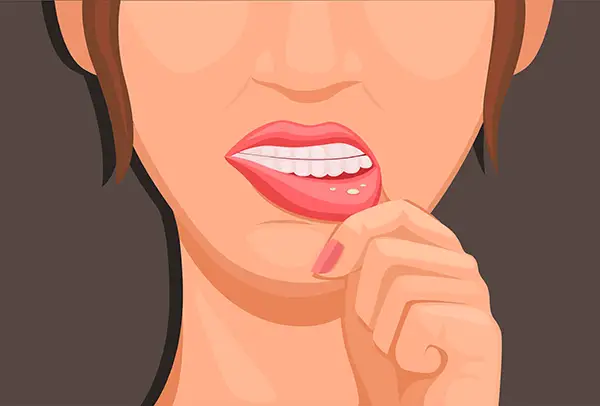 Let's talk about something really important: your oral health. We all know about brushing and flossing, but there’s more to keeping your mouth healthy than just those habits. Paying attention to your mouth, noticing changes, and understanding potential warning signs are crucial for early detection of serious issues, including oral cancer. Think of it as being a detective for your own well-being! Let's talk about something really important: your oral health. We all know about brushing and flossing, but there’s more to keeping your mouth healthy than just those habits. Paying attention to your mouth, noticing changes, and understanding potential warning signs are crucial for early detection of serious issues, including oral cancer. Think of it as being a detective for your own well-being!
What is Oral Cancer?
Oral cancer refers to cancer that can occur anywhere in the mouth. This includes the lips, tongue, gums, the lining of the cheeks, the roof of the mouth (palate), and the floor of the mouth. Oral cancer is a serious disease, but when found early, the chances of successful treatment are much higher. That's why it's so important to be aware of the signs.
Signs to Watch Out For
Here are some things to keep an eye on in your mouth. If you notice any of these changes, it's best to talk to your dentist or doctor as soon as possible. Early detection is key!
| • |
Sores that don't heal: This is one of the most common signs. If you have a sore, ulcer, or lesion in your mouth that doesn't heal within two weeks, get it checked out. Don't just assume it's a canker sore, especially if it's unusual in appearance or location. |
| • |
Red or white patches: Look for unusual red or white patches inside your mouth. These patches, called leukoplakia (white) or erythroplakia (red), can be precancerous or cancerous. They might appear smooth, raised, or have an irregular texture. |
| • |
Lumps or thickenings: Feel around your mouth and neck for any new lumps, bumps, or thickened areas. These could be on your tongue, under your tongue, on your gums, or in your cheeks. |
| • |
Difficulty swallowing or chewing: If you're suddenly having trouble swallowing (dysphagia) or chewing, it could be a sign that something is blocking your throat or affecting your tongue's movement. |
| • |
Numbness or pain: Persistent numbness, tingling, or pain in any area of your mouth, face, or neck should be investigated. Sometimes, oral cancer can affect the nerves in your face, causing these sensations. |
| • |
Changes in your voice: Hoarseness or changes in your voice that last for more than a few weeks can sometimes be associated with oral cancer affecting the throat or vocal cords. |
| • |
Loose teeth: Unexplained loosening of teeth can be a sign of oral cancer affecting the jawbone or gums. |
Why is Early Detection Important?
The earlier oral cancer is detected, the better the chances of successful treatment. Early-stage oral cancers are often smaller and easier to remove or treat with radiation therapy or chemotherapy. As oral cancer progresses, it can spread to other parts of the body, making treatment more difficult.
What to Do If You Notice Something
If you find any of these signs in your mouth, don't panic. But don't ignore them either. Schedule an appointment with your dentist or doctor as soon as possible. They can perform a thorough examination and, if necessary, order tests to determine the cause of the changes. The dental professional can help you create a oral care plan, and may also be involved in restoration dentistry to help you retain or regain functionality as needed.
Prevention and Healthy Habits
While there's no guaranteed way to prevent oral cancer, there are steps you can take to reduce your risk:
| • |
Avoid tobacco use: Smoking and chewing tobacco are major risk factors for oral cancer. |
| • |
Limit alcohol consumption: Excessive alcohol consumption can also increase your risk. |
| • |
Protect yourself from the sun: Use lip balm with sunscreen when you're outdoors to protect your lips from sun damage. |
| • |
Eat a healthy diet: A diet rich in fruits and vegetables can help boost your immune system and reduce your risk. |
| • |
Regular dental checkups: Regular dental visits allow your dentist to screen for oral cancer and other problems. |
| • |
Self-exams: Perform regular self-exams of your mouth to check for any changes or abnormalities. |
By staying informed and proactive about your oral health, you can help protect yourself from oral cancer. Your mouth is a window to your overall health, so pay attention to what it's telling you! |
|