

Types of Dental Implants Surprise, AZ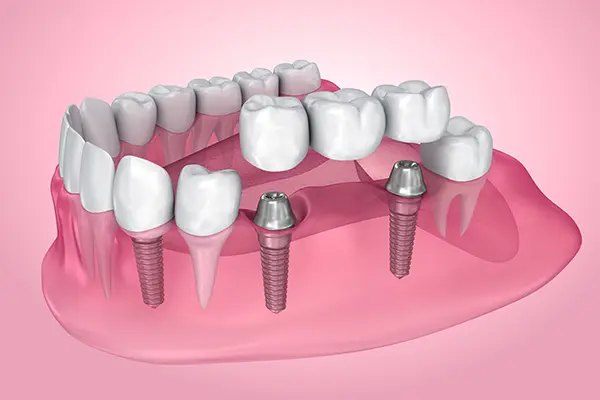 Losing a tooth changes affects how you chew, how you speak, and even how the bone in your jaw behaves over time. Losing a tooth changes affects how you chew, how you speak, and even how the bone in your jaw behaves over time. Dental implants address all of these concerns by replacing not just the visible tooth, but the root beneath it. If you are exploring tooth replacement options at Surprise Oral & Implant Surgery, learning how dental implants work and which type may be right for you is a great place to start. Our team takes the time to evaluate your individual needs and walk you through every stage of the process. Call us at (623) 263-5042 to schedule your consultation! How Dental Implants WorkDental implants are small titanium posts that are surgically placed into the jawbone to serve as artificial tooth roots. Once positioned, the implant undergoes a process called osseointegration, during which the surrounding bone fuses to the post over a period of several months. This bond creates a stable, permanent foundation for a crown, bridge, or denture that sits on top. The result is a tooth replacement that functions and feels like a natural tooth, without relying on neighboring teeth for support. Types of Dental ImplantsNot every patient is the same, and implant solutions reflect that. There are several types of dental implants, each designed to meet different anatomical needs and clinical situations. Endosteal Implants - The Most Commonly UsedEndosteal implants are the standard choice for most patients. These implants are placed directly into the jawbone and typically take the shape of a small cylinder or tapered post. Once the implant has fully integrated with the bone, an abutment is attached to connect it to the final restoration. Endosteal implants are well-suited for patients with sufficient jawbone density and volume to support the post during and after healing. Subperiosteal Implants - Placed Above the BoneSubperiosteal implants are designed for patients who do not have enough healthy jawbone to support a traditional endosteal implant and prefer not to undergo bone grafting. Rather than being inserted into the bone, a subperiosteal implant consists of a metal framework that rests on top of the jawbone, just beneath the gum tissue. Posts extend through the gums to hold the prosthetic teeth in place. This option is less commonly used today but remains a viable solution for select patients. Zygomatic Implants - Attached to the CheekZygomatic implants are a specialized option reserved for patients with significant bone loss in the upper jaw. Instead of anchoring into the jawbone, these longer implants are secured to the zygomatic bone, commonly known as the cheekbone. This approach allows patients who might not otherwise be candidates for implants to receive a stable, full-arch restoration without the need for extensive bone grafting procedures. Zygomatic implants require a highly trained implant specialist and are typically part of a comprehensive treatment plan. How Do I Know if I Qualify for Dental Implants?Candidacy for dental implants depends on several factors, including the health of your gums, the density of your jawbone, and your overall health history. Patients who have active periodontal disease, uncontrolled diabetes, or habits such as smoking may need to address those conditions before moving forward. A thorough evaluation with our dentist will include a review of your medical history and imaging of the jaw to assess bone volume. From there, our care team can recommend the implant type and any preparatory treatment that may be needed. Learn more about who is a candidate for dental implants. Take the Next Step Toward a Complete SmileIf you are ready to learn which type of dental implant is right for you, Surprise Oral & Implant Surgery is here to help. |

 Address15276 W Brookside Ln Ste 141 Surprise, AZ 85374 Phone(623) 263-5042 HoursMon: 8:00am–4:00pm Tue/Wed/Thu: 7:00am–4:00pm Fri: 7:00am–2:00pm |
